Description
Purpose
To deliver an immersive literary companion and comprehensive breakdown of the opening chapter of "RAWANIN ZALINCI" (Crown of Injustice), written by the celebrated Hausa author Fateema Zahra Musa (Princess Teema). This page provides readers, reviewers, and literary enthusiasts with deep cultural context, character analysis, narrative tracking, and critical insights into the opening prologue/chapter of this high-stakes romantic tragedy and royal epic.
About the Book
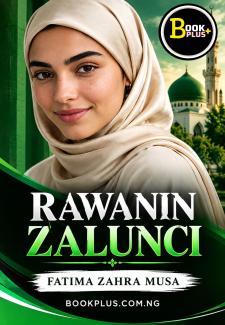
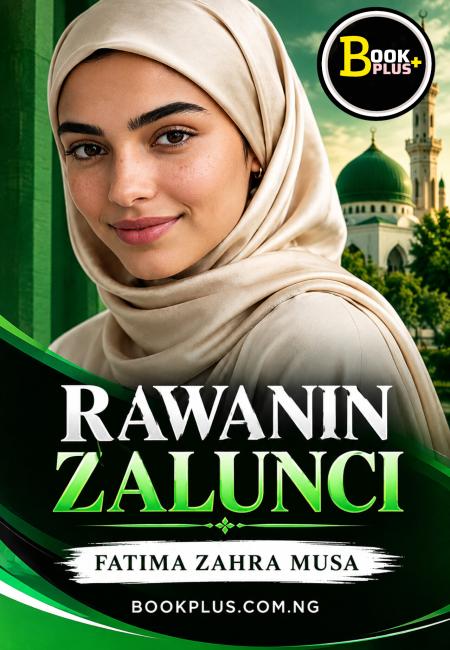
- Title: RAWANIN ZALINCI (Crown of Injustice)
- Tagline: A touching hearts love story, destiny obstacle, and romance.
- Author: Fateema Zahra Musa (Princess Teema)
- Genre: Epic Royal Romance / Tragedy / Action & Suspense
- Setting: A lush, dangerous fantasy-infused wilderness bordering ancient kingdoms, marked by torrential monsoon weather, fierce wildlife, and ruthless royal guards.
Why Is the Book Called "Rawanin ZalinCi"?
The title translates literally to "Crown of Injustice" or "The Diadem of Oppression." From the very first chapter, the title establishes the thematic backbone of the entire novel: power wielded as a weapon against the innocent. The relentless pursuit of a heavily pregnant, desperate young noblewoman by elite armored warriors (warriors / mayaka) symbolizes how royal authority, political ambition, and absolute power (rawani / crown) can be corrupted into systematic cruelty (zalinci). The unborn child at the center of the conflict represents both a threatened lineage and the potential catalyst for justice against tyrannical rule.
Main Characters to Know (Chapter 1 Introduction)
- The Nameless Fugitive Princess: A remarkably beautiful, light-skinned noblewoman (aged 22–23) dressed in luxurious golden-hued royal garments and an alkyabba (cloak). Despite experiencing intense labor pains (naƙuda) and sustaining a severe arrow wound to her abdomen (ciki), she exhibits incredible resilience and a fierce will to survive for the sake of her unborn child.
- The Elite Royal Enforcers (The Six Warriors): A squad of six ruthless, heavily armored horsemen (mayaka) mounted on massive, well-conditioned warhorses. Their faces are entirely concealed behind horned iron masks, rendering them emotionless executioners carrying out a relentless hunt without a shred of mercy.
Reading Notes: Chapter 1 Breakdown
- Atmosphere and Foreshadowing: Princess Teema opens with an oppressive, cinematic storm in a dense, perilous wilderness (daji). The violent clashes of thunder, lightning, and torrential rain mirror the internal turmoil and mortal danger facing the protagonist.
- The Chase: The chapter establishes high-octane suspense as the fugitive woman navigates treacherous terrain filled with dangerous wildlife (lions, leopards, cobras) while fleeing the iron-clad horsemen.
- The Brutal Climax: Just as she reaches the edge of a sheer cliff overlooking a vast, luminous river (kogi / teku), one of the warriors shoots an arrow directly into her abdomen.
- The Cliffhanger: Refusing to surrender or allow her unborn child to be mutilated, she plunges into the raging waters below. The enforcers debate whether she perished or if the river's deadly currents and aquatic beasts finished the job, while one warrior hints at a chilling directive: they specifically needed to extract the unborn child for the kingdom.
Hausa Terms and Cultural Context
- Gargaɗi: Warning or caution. (In this context, the author's strict copyright and anti-piracy warning against unauthorized audio readings, YouTube distribution, or document compiling).
- Mallakin: Owned by / Copyright of.
- Alkkyabba: A traditional flowing, often hooded outer cloak worn by royalty and nobility.
- Mayaki (Plural: Mayaƙa): A trained warrior, champion, or elite soldier skilled in traditional warfare.
- Naƙuda: Labor pains / contractions.
- Tuwon Dawa / Miyar Kuka: (Cultural backdrop note) Traditional staples reflecting rich regional culinary heritage often enjoyed in Hausa households.
Questions the Story Raises
- Who is the fugitive mother, and from which specific kingdom did she flee?
- Why do the rulers of the royal court desperately demand the unborn child (abin da yake ciki)?
- Did the protagonist survive the plunge into the great river, and who or what rescued her from the aquatic dangers?
- What secret does the royal bloodline hold that makes an innocent unborn baby worth a merciless manhunt?
About the Author
Fateema Zahra Musa, widely known by her pen name Princess Teema, is a prominent voice in modern Hausa literature (Littattafan Hausa). Known for crafting emotionally gripping narratives that blend royal intrigue (sarakuna), deep romance, and high-stakes suspense, her works captivate readers across digital platforms and reading communities.
What Makes This Page More Valuable Than a Translated Excerpt?
A raw machine translation of Hausa prose often strips away cultural nuances, idiomatic expressions ("hantar cikinta ta kaɗa" / her liver trembled with fear), and the dramatic cadence intended by the author. This structured guide preserves the authentic emotional weight of the opening chapter while providing literary analysis, thematic context, character tracking, and vocabulary breakdowns that enhance both native speakers' appreciation and new readers' comprehension.
Recommended Public Page Order
- Title & Banner (RAWANIN ZALINCI)
- About the Book & Author Profile
- Thematic Significance: Why Is the Book Called "Rawanin Zalinci"?
- Character Directory & Chapter 1 Reading Notes
- Cultural Glossary: Hausa Terms Explained
- Critical Discussion: Questions the Story Raises
 BP
 Members