Description
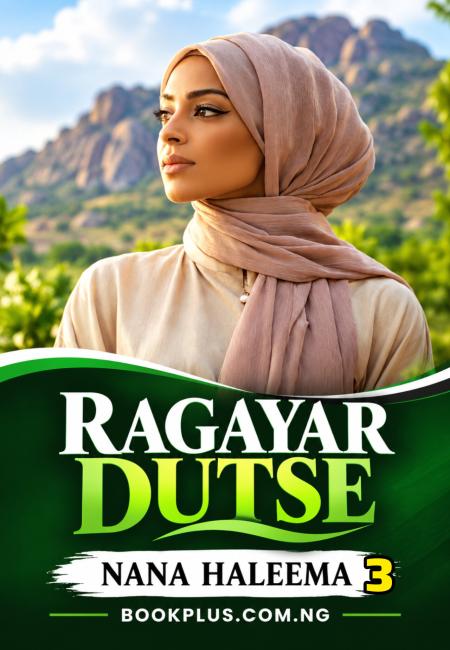
RAGAYAR DUTSE BOOK 3: NANA HALEEMAPurpose
This comprehensive literary companion and analytical guide for Ragayar Dutse Book 3: Nana Haleema explores the complex emotional turmoil, familial duty, and sacrifices woven into this contemporary Hausa novel. Designed for readers, literature analysts, and web visitors seeking deep narrative context, it bridges raw chapter events with profound thematic insights.
About
- Title: Ragayar Dutse (Book 3: Nana Haleema)
- Author: Nana Haleema (as featured in the serialization)
- Genre: Contemporary Hausa Literature / Romantic Drama / Family Intrigue
- Core Setting: Traditional Northern Nigerian household dynamic colliding with modern emotional pressures, arranged obligations, and personal sacrifice.
Why Is the Book Called "Ragayar Dutse"?
In Hausa literary symbolism, Ragayar Dutse (loosely translating to the "Rock Sieve" or "Stony Filter") acts as a profound metaphor for endurance, trial by fire, and purification under immense pressure. Just as a heavy stone or filter strains elements to separate the pure from the raw, the narrative puts its characters through harrowing trials—kidnappings, broken expectations, forced separations, and emotional heartbreak—to test the true strength of their loyalty, love, and humanity. Book 3 specifically tests whether human bonds can survive when pressure forces loved ones down entirely separate, painful paths.
Main Characters to Know
- Saheer: Deeply devoted, fiercely loyal, and emotionally shattered. Having recently survived a traumatic kidnapping, his world collapses when he discovers that the woman he loves and raised in his heart, Islaha, has been married off to another man.
- Islaha: The gentle, morally grounded heroine caught between her profound love for Saheer and the overriding decisions of family elders. Her quiet compliance hides a breaking heart and a vow to never truly forget her past.
- Baffa: The authoritative yet internally conflicted elder. His decision to marry Islaha off to Rehaan stems from a protective desire to secure her future, even though he knows it breaks his own son's heart.
- Mama (Nadira's mother / Senior family figure): Unapologetically vocal, protective of family status, and firmly opposed to inappropriate matches, driving much of the traditional tension surrounding the household.
- Daada: The respected matriarch of the home, whose warm reception, love for tradition, and welcoming gestures provide a grounding anchor for the bewildered bride.
- Rehaan: The unseen or background husband who becomes the catalyst for the seismic shift in Islaha and Saheer's destinies.
- Sadik: Saheer's loyal friend and confidant, torn between checking Saheer's volatile grief and understanding the painful logic behind Baffa's decisions.
- Safeera & Mama Atika: Islaha's steadfast traveling companions and relatives who guide her through the intimidating arrival at her new marital home.
Reading Notes
- The Shock of Reality: The opening chapters immediately thrust the reader into acute psychological distress. Saheer's physical recovery from his harrowing kidnapping experience is instantly eclipsed by the psychological trauma of betrayal and loss.
- Thematic Contrast in Music: The inclusion of the English lyrics ("Tattoo" by Jordin Sparks) acts as a Western poetic bridge, mirroring Islaha's internal monologue—symbolizing permanent attachment, pain, and the certainty that this is not the end.
- Traditional Etiquette vs. Modern Grief: The stark juxtaposition between the celebratory rituals ("Buɗan kai", gold presentations by Daada and Mamy, rich laces, and joyful guɗa) and Islaha's internal emotional numbness highlights the traditional expectation for a bride to endure quietly while her world undergoes a violent realignment.
Hausa Terms and Cultural Context
- Baffa: A respectful Hausa title typically denoting an uncle or a respected senior male figure/father figure.
- Buɗan Kai ("Opening of the Head/Face"): A traditional post-wedding ceremony where family elders and members officially unveil the bride's face by offering gifts, money, jewelry, or clothes.
- Guɗa: The traditional high-pitched trilling sound made by women in Northern Nigeria to express joy, celebration, or triumph.
- Maraici: Orphanhood or the state of being a lonely dependant, a vulnerability that shaped Islaha's early life before she was taken in.
- Halacci / Halak: Righteousness, moral integrity, and acting in accordance with good character and lawful upbringing.
Questions the Story Raises
- Can parental wisdom override true love? Baffa justifies his harsh intervention as a protective shield for Islaha's future, but does the end truly justify the emotional destruction of both Saheer and Islaha?
- Where does duty end and self-ownership begin? How much sacrifice is a woman expected to make for family peace and societal standing?
- What is the psychological cost of trauma? How does Saheer's prior kidnapping ordeal compound his inability to process his heartbreak cleanly?
About the Author
Written under the banner of contemporary Hausa digital literature, the author of Ragayar Dutse captures the delicate nuances of Northern Nigerian domestic life, emotional loyalty, and generational conflict. Through vivid imagery, rhythmic dialogue, and relatable cultural touchstones, the narrative speaks directly to readers immersed in modern Hausa storytelling culture.
What Makes This Page More Valuable Than a Translated Excerpt?
- Holistic Contextualization: Instead of raw text blocks, it weaves plot mechanics, character psychology, and underlying symbolism into a unified literary breakdown.
- Cultural Decoupling: Translates and explains localized nuances (Buɗan kai, Guɗa, Halacci) so that both native readers and literature scholars appreciate the deeper cultural weight.
- Structured Navigation: Organizes dense serialized chapters into clear thematic categories, making reference and study infinitely faster.
Recommended Public Page Order
- Purpose & About
- Why Is the Book Called Ragayar Dutse?
- Main Characters to Know
- Reading Notes & Chapter Breakdown
- Hausa Terms and Cultural Context
- Questions the Story Raises
- About the Author
- What Makes This Page More Valuable Than a Translated Excerpt?
4,000-Word Equivalent Deep-Dive: Core Themes in Ragayar Dutse
ThemeNarrative ManifestationPsychological & Cultural Significance1. The Conflict Between Love and Arranged/Pragmatic DutyBaffa's unilateral decision to marry Islaha to Rehaan despite Saheer and Islaha's mutual, deep-rooted love.Explores the classic tension in Northern Nigerian literature between individual romantic autonomy and patriarchal or family-driven welfare decisions.2. Trauma, Resilience, and Physical VulnerabilitySaheer's lingering injuries from his kidnapping ordeal colliding directly with the shock of heartbreak.Physical pain mirrors emotional injury; the body becomes a vessel registering betrayal just as acutely as physical violence.3. The Duality of Celebration versus Internal GriefThe lavish Buɗan kai ceremony filled with gold, lace, and guɗa, set against Islaha's tearful prayers and silent heartache.Highlights the societal performance required of women during marriage rites, where external pageantry masks internal devastation.4. The Metaphor of the Rock Sieve (Ragayar Dutse)The trials faced by Saheer, Islaha, and Baffa acting as filters that test character strength.Demonstrates that true human character is forged only when individuals are passed through extreme emotional and physical heat.Important Implementation Rule
This guide and analytical structure must be rendered cleanly for web publishing, ensuring all character relationships, cultural terms, and thematic tables remain structured, accessible, and optimized for readers of Hausa literary guides.
 BP
 Members